
Wagyu Beef: The Ultimate Guide 2025
Everything about Wagyu beef – the world's most exclusive beef: History, 4 breeds, prices ($100-600/kg), marbling (BMS), A5 grading, and how to start breeding Wagyu cattle yourself.
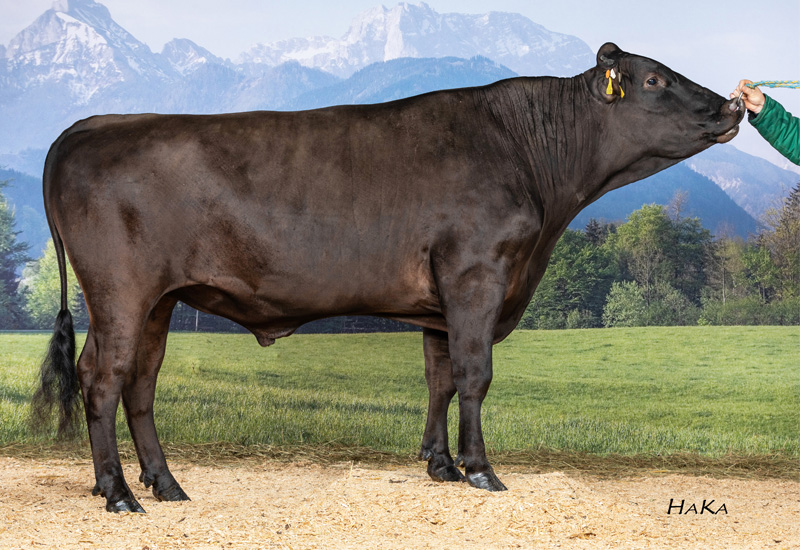
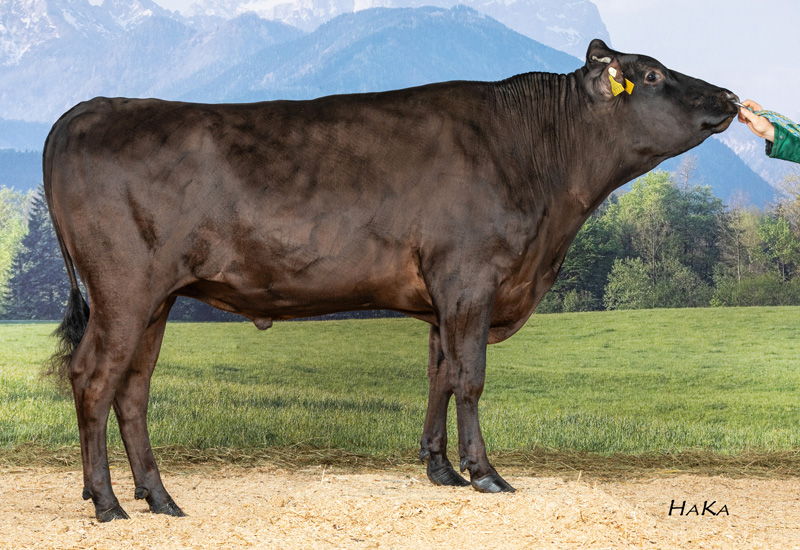
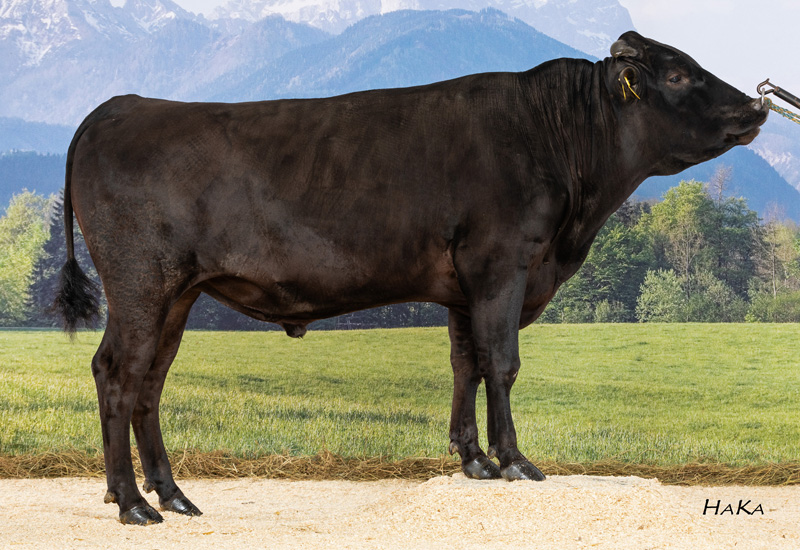
Wagyu beef is considered the most prestigious beef in the world. Wagyu is legendary: butter-soft, intensely marbled, and with a flavor unlike anything else. But what makes Wagyu so special? Why does a pound of Wagyu beef cost up to $300? And can you breed Wagyu cattle outside of Japan?
In this comprehensive guide, you'll learn everything you need to know about Wagyu beef – from its fascinating history to the different breeds, and practical tips for breeders and connoisseurs alike.
What is Wagyu Beef?
Wagyu (和牛) literally translates to "Japanese cattle" – composed of the Japanese words wa (Japanese) and gyu (cattle/beef). The term Wagyu doesn't refer to a single breed but to four specific Japanese cattle breeds that have been selectively bred for centuries for their unique meat quality.
💡 Pronunciation tip: Wagyu is correctly pronounced "Wag-yoo" (not "Wa-goo" or "Way-gu").
What distinguishes Wagyu from other cattle breeds is its genetic predisposition for intramuscular fat deposition. While fat in regular beef sits mainly outside the muscle, in Wagyu it's evenly distributed throughout the muscle tissue – this is the famous marbling.
Key Characteristics of Wagyu Beef:
- Intense Marbling: Fine fat veins run throughout the entire meat
- Low Fat Melting Point: The fat melts at just 77-86°F (25-30°C)
- High Unsaturated Fat Content: Similar to olive oil or salmon
- Tender Texture: Wagyu literally "melts" on your tongue
- Unique Flavor: Sweet, nutty taste from special lactones
History of Wagyu
The history of Wagyu cattle spans over 2,000 years. Originally, Wagyu were used exclusively as work animals on rice paddies and in mining. Eating beef was prohibited in Japan for centuries under Buddhist law.
| Year | Event in Wagyu History |
|---|---|
| 200 BC | First cattle arrive in Japan via Korea |
| 675 AD | Emperor Tenmu prohibits eating beef |
| 1868 | Japan opens to the West – beef consumption allowed again |
| 1910-1920 | Crossbreeding with European breeds for optimization |
| 1944 | Registration of the four main Wagyu breeds |
| 1976 | First Wagyu exports to USA and Australia |
| 1997 | Japan declares Wagyu a "national treasure" – export ban on live cattle |
The 4 Wagyu Breeds
There are four officially recognized Wagyu breeds in Japan. Each breed has distinct characteristics, though Japanese Black is by far the most common.
🥇 Japanese Black
Kuroge Wagyu • 97% Market Share
- ✓ Best marbling (BMS 8-12)
- ✓ Highest fat content
- ✓ Includes Kobe, Matsusaka, Ōmi
- ✓ Black coat
Japanese Brown
Akage Wagyu • 2% Market Share
- ✓ Leaner meat
- ✓ Less fat, more protein
- ✓ Reddish-brown coat
- ✓ Also called "Red Wagyu"
Japanese Shorthorn
Tankaku Wagyu • <1% Market Share
- ✓ Robust flavor
- ✓ Less marbling
- ✓ Hardy and resilient
- ✓ From northern Japan
Japanese Polled
Mukaku Wagyu • Very Rare
- ✓ Naturally hornless
- ✓ Lean meat
- ✓ Only ~200 animals in Japan
- ✓ Near extinction
🧬 Did you know? At Wagyuhof Genetics, we work exclusively with Japanese Black Wagyu genetics – the breed with the best marbling potential.
Marbling & BMS Explained
Marbling is the most important quality indicator for Wagyu beef. It refers to the fine distribution of intramuscular fat between muscle fibers.
What is the BMS (Beef Marbling Score)?
The Beef Marbling Score (BMS) is a standardized grading system for Wagyu marbling. The scale ranges from 1 to 12.
| BMS | Quality | Description |
|---|---|---|
| 1-2 | Standard | Minimal marbling (not Wagyu) |
| 3-4 | Good | Light marbling (F1 Wagyu) |
| 5-6 | Premium | Restaurant quality |
| 7-8 | Prime | High-end Wagyu |
| 9-10 | A4 Wagyu | Premium grade |
| 11-12 | A5 Wagyu | Kobe-level quality |
Understanding Japanese Wagyu Grading (A5, A4, etc.)
Japanese Wagyu uses a two-part grading system:
- Letter (A, B, C): Yield grade – how much usable meat from the carcass (A = highest)
- Number (1-5): Quality grade – based on marbling, color, firmness, and fat quality (5 = highest)
So A5 Wagyu represents the absolute highest grade: maximum yield and maximum quality. Only about 3% of Japanese Wagyu achieves this grade.
🧬 Start Your Own Wagyu Program
Interested in breeding premium Wagyu? We supply genetics worldwide with EU export documentation.
Kobe vs. Wagyu: The Difference
One of the most common questions: Is Kobe beef the same as Wagyu? Short answer: No. Kobe beef is a protected designation of origin – similar to Champagne.
Key difference: Every Kobe beef is Wagyu, but not every Wagyu is Kobe. Kobe is essentially the "Champagne" of Wagyu beef.
Requirements for Authentic Kobe Beef:
- Must be Tajima-Wagyu cattle (sub-strain of Japanese Black)
- Must be born and raised in Hyōgo Prefecture (Kobe region)
- Must meet strict quality standards (BMS 6+, meat quality A or B)
- Only about 3,000 Kobe cattle are certified annually
- Each animal receives a unique 10-digit ID number for traceability
Other famous regional Wagyu brands include: Matsusaka (often called "the most expensive beef"), Ōmi (from Shiga Prefecture – Japan's oldest brand), and Miyazaki (champion at national Wagyu competitions).
How Much Does Wagyu Beef Cost?
Wagyu beef prices vary significantly based on origin, quality, and marbling score:
| Wagyu Type | $/lb (approx.) | €/kg (approx.) | BMS |
|---|---|---|---|
| Japanese Kobe A5 | $200-300 | €400-600 | 11-12 |
| Japanese A4/A5 | $120-200 | €250-400 | 8-12 |
| Australian Fullblood | $70-120 | €150-250 | 7-9 |
| European Fullblood | $50-100 | €100-200 | 6-8 |
| American Wagyu | $40-80 | €80-160 | 5-8 |
| F1 Wagyu (50%) | $25-50 | €50-100 | 4-6 |
| Regular Beef (non-Wagyu) | $8-20 | €15-40 | 1-3 |
Why is Wagyu So Expensive?
- Long Raising Period: 24-36 months vs. 18 months for regular beef
- Specialized Feeding: High-quality grain-based diet
- Stress-Free Environment: Low-stress handling is essential
- Limited Supply: Relatively few Wagyu cattle worldwide
- Unique Genetics: Only true Wagyu achieve extreme marbling
- Strict Grading: Only the best meat receives top grades
Fullblood vs. F1 Wagyu
Wagyu cattle are classified by their genetic purity:
🥇 Fullblood Wagyu (100%)
Purebred across all generations
- ✓ 100% Wagyu genetics
- ✓ Best marbling (BMS 8+)
- ✓ Highest price
- ✓ Herdbook registered
- ✓ DNA verified
F1 Wagyu (50%)
Wagyu × Other Breed
- ✓ 50% Wagyu genetics
- ✓ Good marbling (BMS 5-7)
- ✓ Affordable entry point
- ✓ Faster growth
- ✓ Common: Wagyu × Angus
Purebred vs. Fullblood: In the Wagyu world, "Purebred" means at least 93.75% Wagyu (F4 generation), while "Fullblood" means 100% traceable Wagyu ancestry. This distinction is important for serious breeding programs.
🧬 Start Your Wagyu Breeding Program
Is Wagyu Beef Healthy?
Despite its high fat content, Wagyu is considered one of the healthiest beef options. The reason lies in its unique fat composition.
Health Benefits of Wagyu Beef:
- High Unsaturated Fat: Up to 55% unsaturated (vs. 40% in regular beef)
- Rich in Oleic Acid: The same heart-healthy fat found in olive oil
- Omega-3 and Omega-6: Better ratio than conventional beef
- Conjugated Linoleic Acid (CLA): Potentially cancer-fighting properties
- Low Melting Point: Easier to digest than other beef fats
- Lower Cholesterol Impact: Monounsaturated fats may help manage cholesterol
Scientific note: The fat in Wagyu beef melts at just 77-86°F (25-30°C) – close to body temperature. This is why Wagyu literally "melts in your mouth" and is easier to digest.
Wagyu Breeding Worldwide
Can you breed Wagyu cattle outside Japan? Absolutely – and it's more accessible than many think! Wagyu breeding offers excellent value for small and medium farms looking for a premium niche.
| Breeding Option | Investment | Result |
|---|---|---|
| Wagyu Semen | From €25 | F1 Wagyu calves (50%) |
| Wagyu Embryos | From €640 | 100% Fullblood Wagyu |
| Wagyu Calf | From €3,000 | Build your own herd |
| Wagyu Cow (pregnant) | From €8,000 | Annual calves |
Where Wagyu Thrives Today:
Wagyu cattle are now successfully bred across the globe:
- Australia: World's largest Wagyu population outside Japan
- USA: Primarily crossbred "American Wagyu"
- Europe: Growing programs in Austria, Spain, UK, Italy
- South America: Emerging markets in Argentina, Brazil
- Middle East: Growing luxury beef demand
🌍 EU Export Available
We export Wagyu genetics throughout Europe. Complete documentation, health certificates, and professional support included.
Where to Buy Wagyu
Whether you want to enjoy Wagyu beef or start breeding Wagyu cattle, there are different sources:
Buying Wagyu Beef:
- Direct from Breeders: Best quality, fair prices, traceability
- Specialty Butchers: Look for verified origin and grading
- Online Retailers: Various options, check reviews and certifications
- High-end Restaurants: Try before you buy for home cooking
⚠️ Buyer beware: "Wagyu" is not a protected term in most countries. Always ask for documentation of genetics, grading, and origin. If the price seems too good to be true, it probably isn't authentic Wagyu.
Buying Wagyu Genetics:
- Wagyu Semen: Most affordable entry to Wagyu breeding
- Wagyu Embryos: Instant 100% Fullblood calves
- Breeding Cattle: Bulls, cows, heifers, and calves
✓ Wagyuhof Genetics Guarantee: 100% Fullblood Wagyu, complete DNA documentation, Herdbook Section A, genetic defect free (CL16, B3, CHS, F11, IARS). EU export with full documentation.

📬 Stay Updated
Wagyu breeding tips, new genetics & exclusive offers. Max. 2 emails per month.
No spam. Unsubscribe anytime.
Wagyu Beef – Everything You Need to Know
Wagyu beef is the world's most prized beef, originating from Japan. The term Wagyu literally means "Japanese cattle" (wa = Japanese, gyu = cattle). What makes Wagyu unique is its genetic predisposition for intramuscular fat deposition – the famous marbling that creates its distinctive texture and flavor.
Wagyu breeds – There are four recognized Wagyu breeds: Japanese Black (Kuroge, 97% market share), Japanese Brown (Akage), Japanese Shorthorn (Tankaku), and Japanese Polled (Mukaku). Japanese Black Wagyu produces the highest marbling and includes famous regional varieties like Kobe, Matsusaka, and Ōmi beef.
Wagyu prices – Wagyu beef costs between $50-300 per pound depending on quality and origin. American Wagyu: $50-80/lb, Australian Fullblood: $70-120/lb, Japanese A4/A5: $120-200/lb, authentic Kobe beef: $200-300/lb.
Wagyu marbling (BMS) – The Beef Marbling Score (BMS) measures Wagyu marbling on a scale of 1-12. Premium Wagyu achieves BMS 6-12, while regular beef typically reaches BMS 3-4 maximum. The Japanese grading system combines yield (A-C) and quality (1-5), with A5 being the highest grade.
Wagyu breeding – Wagyu breeding is possible worldwide. Entry options include: Wagyu semen from €25 (for F1 calves), Wagyu embryos from €640 (for 100% Fullblood), or breeding cattle from €3,000. Wagyuhof Genetics offers consultation and EU export.
Buy Wagyu genetics from Wagyuhof Genetics – As a leading supplier of Wagyu genetics in Europe, we offer Wagyu semen, embryos, and breeding cattle. All our Wagyu are 100% Fullblood, Herdbook Section A registered, and genetic defect free (CL16, B3, CHS, F11, IARS). Contact us for free consultation.
❓ Frequently Asked Questions About Wagyu
What is Wagyu beef?
Wagyu (和牛) means "Japanese cattle" and refers to four specific Japanese breeds: Japanese Black, Japanese Brown, Japanese Shorthorn, and Japanese Polled. Wagyu is famous for its unique marbling.
How much does Wagyu beef cost?
Wagyu beef prices vary by origin and quality: $50-300 per pound. American Wagyu: $50-80/lb, Australian Fullblood: $70-120/lb, Japanese A5: $120-200/lb, Kobe: $200-300/lb.
What's the difference between Wagyu and Kobe beef?
Wagyu refers to the Japanese cattle breed, while Kobe beef is a protected designation of origin. Only Tajima-Wagyu from Hyōgo Prefecture can be called Kobe. Every Kobe is Wagyu, but not every Wagyu is Kobe.
What does Wagyu mean?
Wagyu (和牛) literally translates to "Japanese cattle" – wa = Japanese, gyu = cattle/beef. Pronounced "Wag-yoo".
Why is Wagyu so expensive?
Wagyu is expensive due to: Long raising period (24-36 months), specialized feeding, stress-free environment requirements, limited supply, and unique genetics that produce extreme marbling.
What does BMS mean for Wagyu?
BMS stands for Beef Marbling Score and measures marbling on a scale of 1-12. Premium Wagyu has BMS 6-12. A5 Wagyu requires BMS 8-12.
What's the difference between Fullblood and F1 Wagyu?
Fullblood Wagyu (100%) has pure Wagyu genetics with best marbling. F1 Wagyu (50%) is a cross with another breed – more affordable entry point.
What are the Wagyu breeds?
Four recognized Wagyu breeds: Japanese Black (97% share), Japanese Brown, Japanese Shorthorn, Japanese Polled.
Is Wagyu beef healthy?
Yes! Wagyu contains more unsaturated fatty acids (up to 55%) than regular beef, including Omega-3, Omega-6, and oleic acid (the same healthy fat in olive oil).
Can you breed Wagyu outside Japan?
Yes! Wagyu breeding is possible worldwide. Entry options: semen from €25, embryos from €640, breeding cattle from €3,000. Contact: office@wagyuhofgenetik.com
Where can I buy Wagyu genetics?
Wagyu genetics: wagyuhofgenetik.com – semen, embryos, breeding cattle. EU export available.
What is A5 Wagyu?
A5 Wagyu is the highest Japanese beef grade. "A" indicates maximum yield, "5" indicates highest quality (BMS 8-12). Only about 3% of Japanese Wagyu achieves this grade.
Ready to Start with Wagyu?
Whether you want to enjoy premium Wagyu beef or start your own breeding program – we're here to help.
office@wagyuhofgenetik.com
Florian Irxenmayr • Wagyu breeder since 2012 • Chairman, Austrian Wagyu Association